This blog is best viewed with the latest browser and an open mind!

Friday, April 21, 2023

India 4: An uncanny tale ... (Part 2 — The Conclusion)
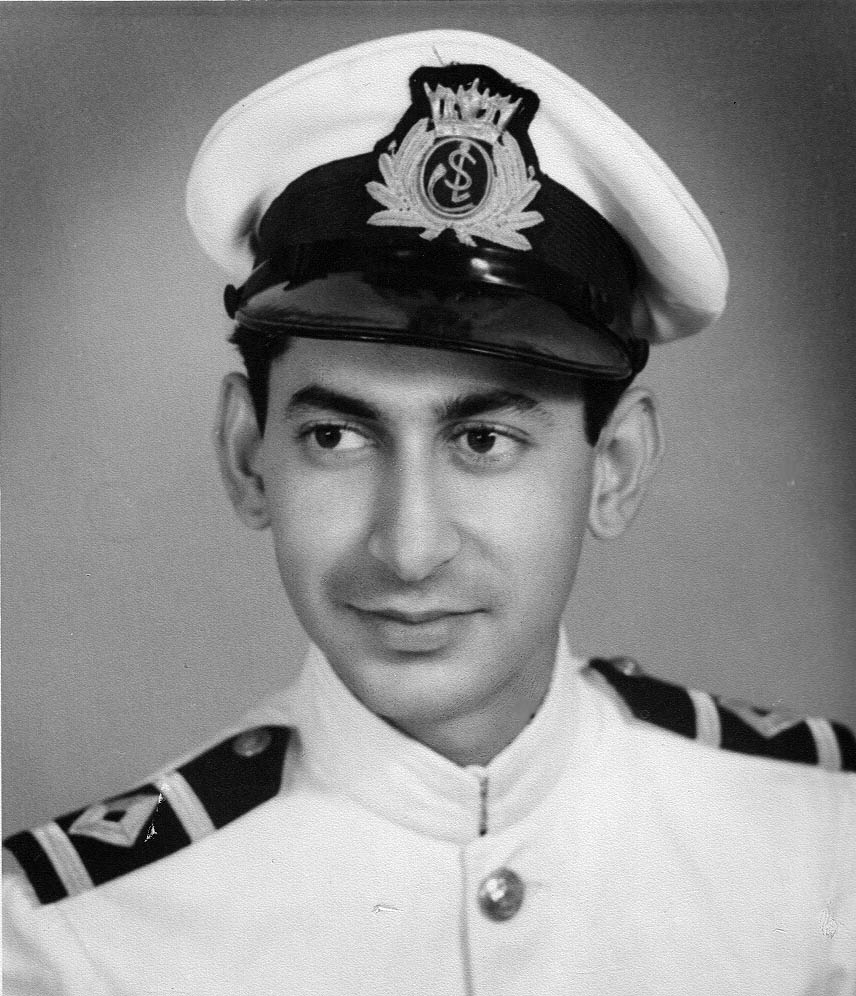
When you have had the benefit of a 25-year stint at sea (1959-1984), there is bound to be much that is narratable and shareable, with some of it even of interest to a few people outside your immediate family. But this post is, primarily, about Gupta Cha (and his family) - so I shall make only brief references to the other parts which will be covered in greater detail in "Ships and Shoes and Sealing Wax" (if that "book+" ever gets completed). However, as indicated at the end of my previous post, the real conclusion to the tale - which took place last year - will make up the second half of this post. The first will be spent breezing through the intervening years.


Ok, so it's 1947, the last day of September. Abi has finally received permission to extend his leave and proceed with the family to Karachi. We are to set sail on the S.S. DUMRA (of the British India Steam Navigation Co.) and are standing on a pier. There's a mad rush wherever one casts an eye. If I had known of the concept then, I would probably have thought of Maedaané Hashr. The sounds of bawling from families being separated can be heard mingling with the shrill laughter of children running everywhere, excited by the journey.
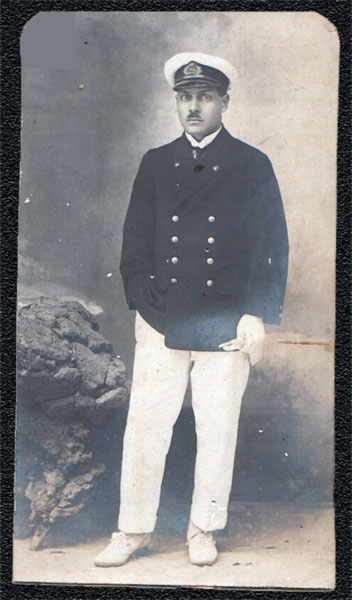
The 5 of us soon board the ship, bidding goodbye to Gupta Cha and to Badshah Chacha, who has travelled from South India to see us off. Standing with them is a close friend of my father, the amazing Dr. Baliga (one of my 'ideals' when I was a teenager), who was once invited to Pakistan to treat our Governor General, Ghulam Mohammad. A couple of Sikh hockey players from the Bombay Sea Customs, 'fans' of Abbu Jan, have arrived to say goodbye to their Hockey Hero, but now seem more interested in Chacha Jania (Talat Mahmood) whom they have cornered. As usual, he is too shy and polite to get away from them, though he wants to join us for parting hugs. The very moment that we start up the gangway, he runs towards us and the Sikhs shout out to all, "Yeh Talat Mahmood bhaaga jaa rahaa hae Pakistan. Roko. Roko." The laughs lighten the sad moment. \

We are shown to a cabin which, though meant for 2+1, is spacious enough and the bistarband comes in handy. Soon, the ship's ropes are cast off and we move gently away from the pier. The air is suddenly filled with wave after wave of loud roars of Pakistan Zindabad and Quaid-e-Azam Zindabad. One can feel not just the passion but the freedom in those naaraas, suppressed at the pier where everyone realized that such slogans could incite riots. Once Bombay harbour begins to fade out of sight, Abi contacts the officer who is doing the rounds to inform him that he is a doctor and available for any emergency help that the ship's team might need. An hour or so later, he is called up by the captain and, with two other doctors and a couple of nurses also travelling as passengers. They are introduced to the Ship's Medical Officer and agree to do frequent rounds and assist with any passengers needing help.

At some late hour we are woken up by Abi to meet - and accommodate, if possible - a couple trying to find a comfortable place to rest. He has found them on his very first round. The bearded husband is none other than poet Bahzaad Lakhnavi. Some of you may be familiar with Begum Akhtar's rendition of his "Deevaana Banaana Hae To ..." Once a rangeen shaaer, Bahzaad Chacha later turned into a very prolific naat go, and now lies buried in Karachi with signs on the graveyard proclaiming his ishqé rasool. His unique tarannum was extremely popular with müshaerah audiences. The next 3 days of the journey are spent with him and Abi reciting ghazals to each other with a slowly increasing 'fan club' blocking the passageways. The day before arrival in Karachi is my 7th birthday. Bahzaad Chacha gives me a shayr as gift. The original, in his hand, has long been lost ... but I still remember the words:
Tüm ko tohfay mayñ aur kyaa dayñ ham?
Lo nayaa mülk ... Iss mayñ phoolo phalo!
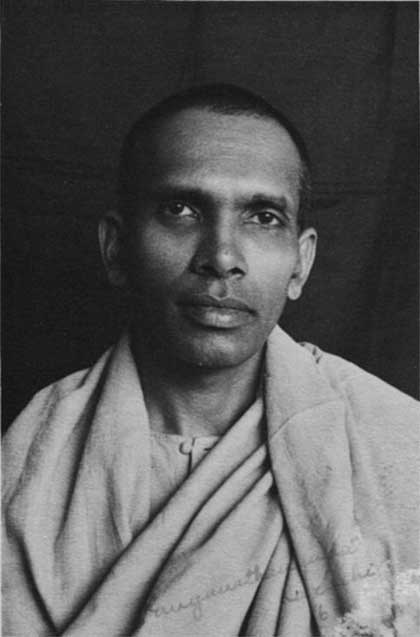
Abbu Jan gets a small temporary house somewhere near Jackson Bazaar in Keamari and, later, moves into the large Customs Flats nearby. We live with them for a few weeks while Abi - almost penniless - does the rounds in Karachi in the hope of finding a suitable job in some hospital. He does not wish to re-join the Army and has applied for release. One day, quite by chance, Abi bumps into Swami Ji (as we always addressed him). He recognizes Abi as one of his fellow students at medical college. Abi learns that Swami Ji and two other colleagues run a charitable hospital - with free treatment for Hindus - under the Ramakrishna Mission. They are on the verge of leaving for India, after handing over the place to GoP (as evacuee property, I guess). The stock of medicines, good for about a year, is to be thrown out since transferring them to other hospitals is considered a major task of logistics and accounting. Abi is apalled. He says he would like to continue running the hospital, without charging the Mission, until all the medicines run out. He promises to keep it free for Hindus if the Mission agrees that the free treatment could also be extended to Muslim refugees who cannot afford to pay. They agree, but there is the Government to convince. Abi's old Aligarian friend, Mr A. T. Naqvi, now the Commissioner of Karachi, arranges for this to be formalized and, suddenly, Abi has a job which, though it carries no salary, comes - to our delightful surprise - with a small 2 room apartment on Nazareth Road (half-way between Guru Mandir and Soldier's Bazaar). We live next to the larger apartment occupied by Swami Ji and his colleagues. I am in and out of their house all day, devouring all the Idlees and Dossas and Rasm they can feed me - which explains my desire to dart off to the South Indian Sagar restaurant the moment I get to Dilli. (If you ever go there, be sure to try their almost-3-foot-long Paper Dossa.)
Diversion The Nazareth Road house is purchased the following year by a Nawab Hasan Yar Jang (nephew of the colourful Nizam of Hyderabad) and Swami Ji manages to have it written into the agreement that as long as Abi is alive he can continue to stay in that apartment, paying rent - of course. The Swamis leave in a few months. Nawab Sahab - always very civil when we encounter him in the building - shifts in with his 'lingerers on'. He gives me my favourite mithai - genuine Baadaam Ki Lauz - whenever he receives a package of it from Hyderabad. I even get to go with him and (What a treat!) sit in the Royal Stall to attend the Platinum Jubilee of Aga Khan III (grandfather of the present one), a ceremony Nawab Sahab is attending on behalf of the Nizam. But Nawab Sahab is a stickler for words. The contract says that my father can occupy the house as long as he lives. On 18th September 1963 my ship happens to arrive in Karachi. On the 19th my father dies. (Abbu Jan and Ammi Jan are getting a house built in Iqbal Town and are temporarily staying with us, which offers Ummi and me a bit of solace, since we have all been very close, always.) The Nawab attends the funeral, comes into the house to condole with my mother, and informs me on his way out that we have to vacate the house in 48 hours! Which is what I try to do, but it takes a bit longer and needs the good offices of neighbour, ex-Mayor Khan Bahadur Gabol Sahab, to convince the Nawab. I sail away two days after our hurried shifting. This trip to Karachi has been a life-changing experience for someone only 23 years old. But let me get back on track.
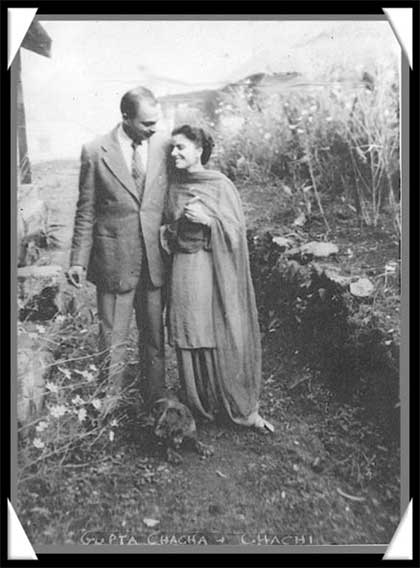
Gupta Cha is in touch by mail and we receive a picture of him and Chachi soon after their wedding in 1949 or 1950. This exchange continues, off and on. When Abi dies, Ummi receives a very warm letter from them, asking "Bhabiji" to stay with them in Dilli for a while. But the trip never materializes. We couldn't afford it. Then, for some reason - possibly mail going astray after the 1965 war - we all lose touch. For years I search for him ... but can recall neither his rank nor anything else. Whenever my ship is at an Indian port, I try to think up ways to find Gupta Cha. Trying to find a 'Gupta' in the Indian army, I am told, is just short of tracing the right 'Khan' in Afghanistan.

Zoom ahead to 1983: I am in command of a ship operated by the Gokals out of Hong Kong. The officers and crew of these ships are multinational and on my ship the Chief Engineer, Vipin Kaura, is from India. Vipin's father - a retired Army officer - comes from Dilli to visit our ship and stays there for a few days.
Soon after 'Uncle Kaura' arrives, I decide to go wish him. I plan to remember to say Aadaab in the old tradition but my Pakistani Radio Officer - a Lahori - tells me that that was not as common a greeting in Punjab as in Delhi and the U.P., so maybe I should say Namsté to be polite. I walk in and say that, a bit awkwardly, failing badly at the hand coordination for the accompanying gesture. Uncle Kaura - originally from Rawalpindi - says. "Aray ... hum to soach rahay thay keh bohat din baad Salaam Alaeküm sünnay ko milay ga ..." and soon the talk turns to his homesickness and losing touch with old friends. He regrets forgetting to write Urdu well.
During the stay I recount 'our' partition story and he asks me if there is anything I can recall about Gupta Cha that could help trace him. Apart from his first name, Birjesh, I usually can't recall anything. But from some hidden corner of my mind, that day, I bring forth two facts that I'd never consciously recalled earlier. Someone in Gupta Cha's family - possibly his father? - was a Judge. And they lived in a house called Bürj Mahal in Meerut. Before he leaves the ship and heads home, Uncle Kaura says he will ask some old colleagues about Gupta Cha but doubts if anything will come of it. Five days later, I am standing at the Shipping Agency office when I am handed an envelope posted from Delhi, addressed to me. I open it and discover a letter in Urdu in a shaky hand. It starts "Pyaaray Baytay ...". "How sweet of Uncle Kaura," I think to myself, "to try and write in Urdu after all these years." But the next para that I read (writing this I am still feeling the same sensation as I did then) is something I cannot believe. I jump ahead and look at the bottom of the next page. YESSSSS! It says "Tümhaara Gupta Cha". It takes me an interminable amount of time to absorb this. A clerk comes up and asks if I am OK. I have tears streaming down my cheeks and can barely speak as I read about Gupta Cha thinking each year of me on my birthday, admittedly not difficult to remember in India (It's Gandhi Ji's, too!). I read and re-read the letter. He wants me to fly out to Delhi. Of course I cannot (not just because of the visa but because we sail out in 2 days).
It turns out that Uncle Kaura, immediately on his return to Delhi, took a bus to Meerut and spent the day searching for Bürj Mahal. Unsuccesful at his attempt, he stopped at a shop in a multistory building to have a cold drink before taking the bus back. The shopkeeper and he got into a conversation and he mentioned his search for Bürj Mahal. "This very building is where it used to be," said the shopkeeper, "and the old owners live right on top, I think." So up climbed Uncle Kaura and met Gupta Cha's sister-in-law and told her the tale. She recalled our family and informed Uncle Kaura that Gupta Cha lived in Delhi! Defence Colony!! One lane behind Uncle Kaura's house!!! (Yes, Woody Allen. Life does imitate bad television!). So it is to Uncle Kaura that I owe more than I had realized.
After I regain control of my senses (and I am not dramatizing this ... it did take a while, as 36 years and all that's happened in that period ran through my mind) I immediately decide to phone him. And Ummi. Getting connected to Karachi, oddly, happens very quickly but I just manage to tell her that I've found Gupta Cha when, even more quickly, the line drops and we cannot get through again. Getting through to Delhi is a 'trunk call' - as calls between cities were then known - and requires a 'booking'. "It's about a 3-4 hour wait," says the operator. The manager of the agency, who, like everyone else in that room, has heard bits of my story by then, takes the phone from me and says something in Marathi, and then translates it for me. "Maeñ saalay ko bola 'Yeh jaldi type ka call hae! Death and Illness Emergency'. Abhee das minat mayñ mil jaae ga." Of course I can't recall the conversation with Gupta Cha. Too full of both of us trying to fill the other in about everyone and everything. Sobs. Laughter. He tells me he has two children. The son, nicknamed 'T2' is in the army. His daughter, Nanu, is married to Sunil who is in the Navy and is posted in Bombay. I am excited. "Can I see her?" Gupta Cha gives me the address of her house in the Naval Colony and, still reeling from all this, I am put on a rickshaw by the friendly clerk who first tells the driver my story and then instructs him to wait wherever I am going and bring me back later and collect the money from the office as part of the celebrations for my joy. Awwwww.

So off I go. Kinda stupidly quick response, if I'd just thought a bit. I can't even get into the Naval Colony in my own city without some identity papers. And, as a Ship Captain from Pakistan, I should not even be near an Indian Navy area. But who was thinking? In retrospect, I often shudder. Had I been arrested and charged with a Pak spy masquerading as an Indian, I'd still be in jail there, if alive. But I was not pretending about anything. I was excited and that's all that must have shown on my face. No nervousness at all. Just a stupid pasted smile of the kind that airline staff bear. The clothes, too, helped. I was in a white khaddar kurta pyjama - my usual dress code for the evenings - a common sight in Bombay, anyway. The chatty rickshaw vaala, who informed me that he was a Muslim and had relatives in Karachi, spoke to the guard when he asked where we were headed. "Aray chho∂o yaar ... 30 saal baad behen say milnay jaa rahaa hae sahab!" And we were in.
Later, I have laughed often at the thought that the Indian Naval Security services are at the same level as ours - recalling that in the 60s, when we docked in Karachi with ammunition that our ship had brought in from Iran, the whole port area was under security and passes were required to board the craft. Not even our own officers could step onto the quay and board the ship again without passes. Sitting in my room, I nearly leapt out of my chair as I saw an old friend from India walk in. "How the eff did you get on board? It's bloody tight security!" ... Bhagwan Das winked and said, "Full Paanch rupyah diya gate vaalay ko, yaar!" 
The meeting with Sunil and Nanu was great. It was like being at home with people I'd always known. No takallüf. They already knew of me. Their elder daughter, Ayeshah, (named by Gupta Cha) fell asleep soon but I did get to carry around the new addition, 4-month old Amrita, after eating a lovely home-cooked meal, so that Nanu could eat in peace. I wish the ship would have stayed longer so I'd have got to spend more time with them. For a year or so Nanu and I managed to stay in occasional contact, but Sunil was then posted to Vishikhapatnam, I think, and none my letters ever reached them, so we lost touch.

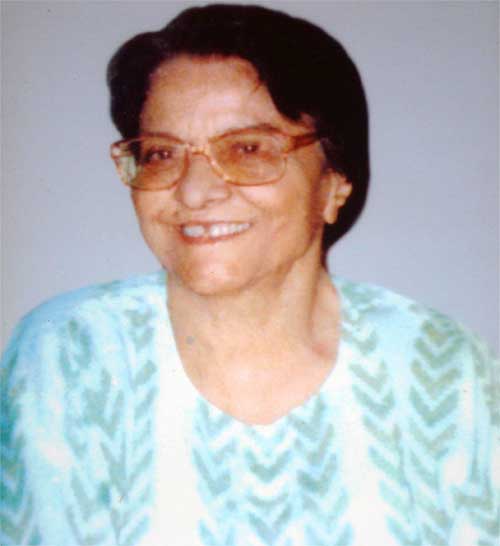
Gupta Cha and I wrote to each other often and I phoned him from several ports - Hong Kong, Singapore, from wherever I could dial direct. He and Ummi, too, exchanged a few letters (in Urdu!). He was insistent that I hop across the border and stay with him for a few days. "I have a room reserved for you", he'd always tell me. But visas were an impossibility for me then. I returned to Karachi in late March 1986 and Ummi told me that Gupta Cha had passed away just a couple of days earlier. Fate's cruel joke... to have found him after years and never met him! I spoke to Chachi on the phone. There was less to say except in silence. Some time later, I received a call from "T2", whom I had not been in any kind of contact with. His addressing me as "Bhaisaahab" seemed so strange. He told me they were letting go of the house and he was taking Chachi along to wherever he was posted then. Chachi came on the line - and in one of the most touching moments for me in this strange saga - asked me if it would be possible, before they left the house, to come and stay a day or two in the room that Gupta Cha had earmarked for me. I tried but I could not get the NOC needed for a visa. (Although I had left the sea - swallowing the anchor soon after my daughter's birth … and Ummi's accident that confined her to a wheelchair … and started a company of my own, my passport still showed Merchant Seaman as my profession, so our Ministry had to issue NOCs.) I never managed to contact T2 and Nanu again. Uncle Kaura, too, passed away before I could find out the address from where, maybe, I could get a forwarding address they'd left behind.
On my next trip to Delhi, much later, I told Vipin about trying to find T2 and, together, we called up several Guptas, none of whom could help. I discussed with Tarun (of Tehelka) the possibility of an ad in his paper looking for these people but we never got around to it.

Fast Forward: It's late 2007. I am sitting at T2F in Karachi and get a call from a Pakistani Merchant Ship Captain, some years junior to me. We don't really know each other. He is writing a book about our Merchant Navy and wants any photos that I may have which could be used. Then he says, "I was in Bombay last week at a meeting and there was someone who wanted to get in touch with you. I promised to trace your numbers and send them to him." I imagine it's one of my many Indian fellow seafarers from the NOL (Singapore) or GESL (Hong Kong) days. But it turns out that it's someone from the Indian Navy. "SUNIL?" I almost shout the question. "Yes." It's just too crazy! I get Sunil's number and call him up. Later, I speak with Nanu. I learn that Chachi is no more. None of us ever got to meet her :-( Then I get a Delhi number and call T2, whom I'd searched for as a Major? Colonel? Something Gupta. In all the years I was in contact with the Gupta family, no one had ever mentioned T2's full name! Turns out he is Pradeep Kumar. Chalo. And he's been living in Delhi for a few years (during many of which I've been visiting the place often, even for long periods). Much as I wanted to, I could not attend T2's son (and my fellow Merchant Navy Officer) Abhimanyu's wedding in Jaipur, where Ashmita's family live. Just a few days earlier that city had suffered from bomb blasts (obviously, the blame was laid at our doorstep, as is customary) so getting a visa to that city was out of the question. 
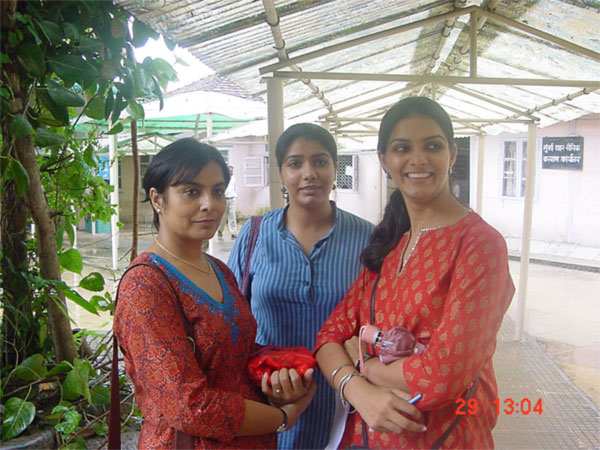
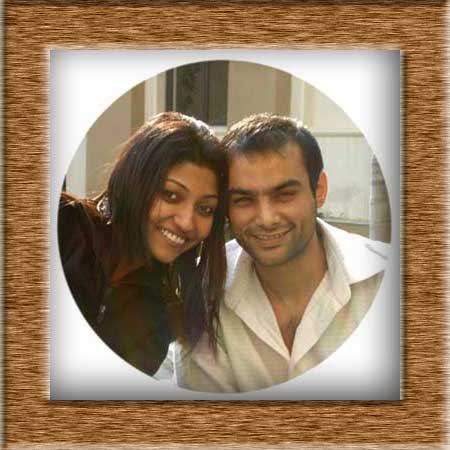
Things are getting better. T2 met our daughter in Dhaka during his business trip. I met him and his wife, Ruby, when I stopped over in Delhi en route to Kolkota for a meeting. Sunil flew over from Mumbai and we had dinner together. Nanu, I hope, will be able to come to Delhi the next time I am there (hopefully in the last week of the next month). And I am dying to see the kids all grown up.

 
If ever there could be a suitable postscript to all this, it's this email I received just a while ago. Peace!

Labels: , , , , , ,

Friday, August 24, 2018

Āj Mohsin Ehsan bohat yād āé …

Mohsin Ehsan
a very dear friend who is no longer with us.


 •


Labels: , , , , ,

Thursday, February 22, 2018

A Dream Fulfilled: Mustafa Zaidi Event at T2F

Mustafa Zaidi Ki Yād Mayñ
Born 1930 Murdered 1970

It was really such a great event. All my dreams came true. For years after MZ's murder (although the courts asked us to consider it a suicide … and, sadly, many people believed it) I have been wanting to do something for his memory. Something that would put the record straight … instead of the idiotically crazy pictures that the press painted for us (and I feel that Jang, a newspaper that actually surpassed the sales of all other dailies in Pakistan, did). Something that would indicate what he was as a poet! He was one of our greatest poets that lived for just 40 years before death engulfed him and left us poorer in poetry.

But it wasn't just that …

It left us all poorer in the love of a man who always told the truth; poorer for a generation that had not even heard of him (thanks to the lack of availability of his books); the bans on his appearing on radio and tv broadcasts; the erasures of his lovely works from those libraries; and the actual poorness of that man's last few years when he didn't even have enough money to phone his family often.

After a ridiculous 303 movement — the removal of maybe many crooks but one that included a lot of decent people who were shunted out by President Yahya Khan (on advice from many who had personal grudges against them). The News says that "Yahya Khan’s military regime had summarily dismissed 303 civil servants and government functionaries, but did not prosecute them." That's not true, really. Blocks were put on MZ by having his passport confiscated and a ban was placed on his travels so that he could not see his family, a family that loved him and he loved so much. 

MZ mentioned this in a poem ("Pahla Pat'thar"). We all loved the poem … but the press refused to print it.

He then went to the two people who were known here as the speakers of freedom … but they, too, thought that it was wrong, so he wrote another poem ("Banaamé Idāraé Lail-o-Nahar"). Always worth listening to on his only audio CD: "The One and Only Mustafa Zaidi" — a collection that I have. It is now available at T2F (or by post in Pakistan if you pay the mailing charges).


Both became poems that the crowd celebrated and repeated to each other. But they were never published. You can read it now in the (almost!) full selection of his külliyāt.

The book is now available everywhere.
Why did I say almost? There were two lines that were omitted in this collection … I have them and can read them out to you if we meet ;)


It was soon after his death that I kept telling Nuzhat (my wife) that it was something we needed to do. The press was unfair. The politics was unfair. The people who read all this were being prejudiced because they neither knew the man … and even if they did, they thought the press must be right about him.

To the world he became the lover of Shahnaz Gul (a one year encounter in 40 years of his life!) …something that his wife, Vera, has to talk about, if she wants to.

How many people who read these posts can look into their own lives and not admit their 'other loves' after marriage. Many, I am sure.  Men and Women. But that's the theme of Hypocrisy. Blame others, not yourselves. One that now seems to pervade everyone … even more by the recently converted religiosity people. The first poem above says that, too, for MZ knew where we were heading.


Years later, when I was heading Enabling Technologies, we decided to do a CD-ROM (Do you remember what those were?). I decided to do one for MZ, first. Sabeen Mahmud loved his poems after I recited them for her and really loved the idea I had for the beginning of the CD-ROM and we decided that it would bring him back to life.

But … with MZ's books missing from the market, and no voices that I could gather other than what I had with me, added to the fact that many parents and others had removed his books from their libraries in case children would know about this mis(represented) man, plus the banning of Mustafa Zaidi's work from Radio and TV, would make for very few people interested in him. So we chose to do 'Faiz - Aaj Kay Naam' as a CD-ROM. There was lots available for Faiz, anyway. And we loved him, too. The Faiz CD-ROM had 16+ hours of amazing works. We hoped we'd do MZ the next time. As events passed we realised that a few kids, who had access to computers, knew nothing of MZ and their parents rarely understood or used computers. Pity.


Finally, back to our event …

The guests at T2F were superb:

Ismat Zaidi, MZ's daughter, who read out and talked about MZ in ways that we never would have known;

Saba Zaidi, Irtiza Ji's daughter (and MZ's niece), who talked of him;

Nusrat Zaidi, a 93-year old cousin who was a close friend of MZ, despite the age difference, talked about his humanity and love;

Nargis Saleem, the daughter of Dr Omar - a very close friend of MZ - who read MZ's letters to her father;

Khalid Ahmad who read out a few poems of MZ;

Our wonderful poet, Iftikhar Arif, who spoke for long and had so many wonderful things to say about MZ and our own lives in general (a person who is always worth listening to);

… and the moderator, Asif Aslam Farrukhi, who handled the occasion brilliantly. I am glad that he is on T2F's list as an advisor.

If you missed the programme (it was broadcast LIVE and will be on YouTube, too), here it is for you again.


One of the T-Shirts that I was wearing (now available at T2F and can be mailed out to anywhere in Pakistan, if you are willing to add the mailing price on it) had this shayr on it.


I knew there'd be an objection and a person in the audience did raise it. He said the shayr was wrong. There was no kahēñ but it was koē. I pointed out that MZ had written koē, but a young college boy went up to him and said that the word, Kahkashāñ, was meant for Milky Way and not Galaxies. We all knew that was the galaxy we could see with the naked eye (and still can, if the annoying lights that hide all the stars in the city don't block out the sky at night). In fact we never had a word for galaxies in Urdu (now we do: we say گیلکسی ) … so MZ agreed and changed it to koē. He wrote that to the publisher when the work was going to be printed in his book and the publisher added kahēñ to the book … but forgot to correct it in the preface that was written. So now we have both available, with the correct one in the poem and the original in the preface. Take your pick. I'll stay with new one.


We have had many people writing to us about the live broadcast. Some who missed it are waiting for it to go on YouTube.

Naseer Turabi (whom Saba and I contacted and got no response from him) was a very close friend of MZ. Now he says we wish he had been contacted. We did, NT! Several times. And would have loved you to be there. Don't worry we'll do another one next year on him and you'll be there, we hope.

We sadly missed Tina Sani who was supposed to come and sing a piece or two of MZ's poems … but she was extremely busy on that day and forgot. You'll be on the next programme, too, Tina!


Labels: , , , , , , , , , , , ,

Sunday, December 17, 2017

What a lovely evening …

Shaikh Ahmad Ali Shaoq Kidvai

Yesterday (16th December 2017) my evening was spent at the Arts Council where two of my Great Grandfather's brother's books were re-launched. Shaoq Kidvai was a major poet in his time and had many students, including one that, after his death, became my Great Grandfather's student: Üstād Qamar Jalalvi, whom we all loved. (A CD of Qamar Sahab's selected works is available at T2F.)


About the two books, I am thrilled that Ahmad Qidwai Bhai - a cousin of mine who is Shaoq Sahab's great grandson (as is his wife, Dr Ismat, who is Shaoq Sahab's great grand daughter) - did this colossal work, along with his cousins, and brought out one of Lucknow's finest poets back into the limelight. One book is composed of his 'Ghazals', and the other is 'Masnaviāt, Müsaddas, and Tavēl Nazmayñ'.


Among the works is Ālamé Khayāl. The foreword was written by my grandmother in 1925, when she was 39. It is a remarkable document and women (as well as men, of course) should read it. The book is written in a women's form of writing (Yes, they were not allowed to use certain men's styles!) and talks of the desires that women have — but were never allowed to express them. (You can read how I found the original book by going here.)


His Musaddasé Laél-o-Nahār is a great piece and talks about Muslims and their problems. Though not well-known like Hali's Musaddas it shares many thoughts and, according to Ahmad Bhai, it should be called Musaddasé Badhāli.

A long nazm Science & Religion (aka Ilmé Tabē'yāt aor Mazhab) is at the end of the book. It has many footnotes that show the poet's understanding of Science, at least at those times. Think of a poet who died in 1925 writing this. Truly amazing work.

You can buy the books by calling up +92-51-5159800 — and the money that you spend on the books will all be given to Nori Patients Welfare Society in Islamabad (+92-51-285-3926)) where the team runs a FREE surgery ward for Cancer Patients. 

(Listening yesterday to Rukhsana Saba, Iftikhar Arif, and Ahmad Qidwai was a wonderful experience. Plus the promise by Iftikhar to come over next time and have a long conversation at home about his days in Lucknow was a lovely idea and we are anxiously looking forward to it.)

Labels: , , , , , , , , , ,

Friday, June 23, 2017

The Spiritual Music of South India


Kuldeep M Pai
"Kuldeep M Pai is an accomplished Indian classical musician and composer with an intrinsic sense of melody and creativity. He has mastered the playing of instruments including several percussion mediums. This versatile artist who is also a keen learner, has learnt and imbibed  the nuances of western classical music as well. In his ever expanding horizon of music, he delves deeper and deeper into the art form, exploring its core essence with dedication, conviction and undeterred devotion. 
Music, to Kuldeep, is a metaphysical medium which arrays the world in perfect alignment with the Ultimate energy. An in- depth understanding of the quintessence of this divine art form combined with a staunch adherence to our Santhana Dharma has persuaded Kuldeep to transcend the stylistic aspects of the art and arrive at its very core, where Music becomes a mere path to Silence."

KMP has learnt from Sri Antony Master, Sri Arun Kumar, and Sri Shamsuddeen in Carnatic Vocal. He also learnt Violin from Sri Hariharan, as well as Western Classical Piano from Sri Ramamurthy.

Although he himself plays and sings beautifully … his compositions and training of of bhajans and other religious songs which he teaches to young children are on another level.

One of KMP's remarkable series

Listen to these remarkable youngsters
&
specially, to Sooryagayathri.

Sooryagayathri
She is going to be a really great performer,
the signs of which are already seen in her renditions.


Aren't they just amazing!

Labels: , , , , ,

Sunday, January 01, 2017

It was the end of 2016 …

… and it took another one away.


Imtiaz Ahmad
Batsman, Wicket Keeper, Bowler
5th January 1928 — 31st December 2016

He brought colour into our lives.

Played in his first test for Pakistan in 1952
against neighbouring India.

Played for Nehru's Indian Team (at Nehru's request)
against the Rest of the World, scoring
300 Runs - Not Out
at the Brabourne Stadium, Bombay.

With his partner, Maqsood Ahmed,
Imtiaz was the fastest batsman in our team.

"Caught Imtiaz, Bowled Fazal"
(Fazal Mahmood 'Fazalled' England — Remember?)
That was our favourite phrase at the time.

He retired from Test Cricket in 1962.
Remained at the Cricket Academy until his death.


Imtiaz was not just a brilliant cricketer,
he was also a lovely poet.

Read about him in my earlier posts


Thank you for those wonderful days, Imtiaz Sahab.


Labels: , ,

Wednesday, November 02, 2016

A memory of the Vietnam War …

Fifty-one years ago this happened.


Read more »

Labels: , , , , , , ,

Thursday, October 27, 2016

Etymology - 1 (Kind of …)

OED 2 Volumes with Magnifying Glass
Contains the full OED Compacted.

Etymology is the study of the history of words, their origins, and how their form and meaning have changed over time … and I am in love with it. If I ever had the chance to choose a career for life, Etymologist would be it.


Of course, I never did choose a career for life.


I started wanteing to be a doctor, like my father (Abi) - but not because of his real influence. Born in 1940 to a doctor - who had been recruited in late 1943 to the British Military Service in WW2 - I travelled to several cities (in and outside India, and to parts that later became Pakistan) with him until the war ended. 

There were no children in camps but Abi insisted that Ummi (my mother) and I had to go along … and was granted permission to do so by the Army. So I was the only child around. The first trip I went to was when I was 4 years old.

With Abi I went fairly often to Hospitals where he treated several soldiers who were injured, some almost beyond belief. I saw nearly dead soldiers and even saw a soldier die before my eyes. I never seemed to fear death. In fact the oldest memory I have was that my Nani (maternal grandmother) died when I was 3 … and I remember that event so clearly. When she was gone, I was told that the angels had taken her to a place to cure her. That was what 'dead' meant to me for years.

In the middle of the war we went to Calcutta for a few days holiday with my Khala (Vaseem). It was there that sirens announced planes coming down (Japanese, I was told) to bomb us. We hid under tables. I was told not to pick up sweets that they may drop, because eating them would cause us to die. Don't know if that was to scare me or it was real.

There were two things I did remember from the camps: One was the day we were celebrating Victory. A young soldier climbed up a long set of stairs and jumped into a pool of water underneath. He missed. Fell flat a couple of feet away. And was dead. On the spot!

Before that death, I remember my father and his colleague discussing a man whose head been pierced by some bullet marks. His colleague, perhaps his senior, had said that they couldn't treat him as it was too close to the brain and there was no way that he would survive the surgery. I often thought of that. I even asked my father, who drew weird pictures on a piece of paper to show what a brain was. But I couldn't really understand.

Later on, just before the 1947 Partition, I was in Budge Budge where my Khalu (famous Indian hockey-player, Asad Ali) had been posted by the Customs.  I saw a few dead people floating down the river because of Hindu-Muslim riots. The river was just across the street. My childhood friend, Sattar, a servant 3 years older than me, was playing football with me and he kicked it so hard that it went across the street, right into a winding part of the Hooghly River. He rushed and bent down the floating bushes to pick up the ball and threw it right back after showing it to me. It was the head of a dead child he had picked up by mistake.

So I wanted to be a doctor as I grew up. A brain surgeon was what I wanted to be. Life at colleges were tough. I got thrown out of one; I walked off the exams in the second one. That'll be in another blogpost that I write. 

Abi was getting severe heart attacks during those days and I couldn't have lived off his money for long. Another year at college. Five years at Medical School. Two years of Internships. Several years of setting myself up as a Surgeon. No way!

I told Abi the only one of two lies I remember telling him: I had done well at my exams and was going to get a First Division. (The second lie I won't get into.) I then said I was going to sail away on a friend's father's ship to Chittagong and meet my cousin there … and come back. I wrote to him from Chittagong that I had actually joined a ship and was in the Merchant Navy now. He was most upset. Again, that'll be in another blogpost, too.

Abi died in 1963. Didn't even live to see me pass my exams and get a reward for having topped the International Navigation marks. Then they suddenly decided to stop giving the official awards, so my Merchant Navy College Head, Captain Safdar, gave me a TimePiece-cum-StopWatch as my gift.


Many of my loves and passions come to me from Abi: Classical Music, Eastern and Western; becoming a voracious reader in English and Urdu; love of and the writing of Urdu Poetry; watching Cricket & Tennis; being totally in love of Science; a passion for correct languages; fighting for Human Rights; loving the truth; even crying in movies :(

We were poor, too. My father had left the Army after Partition, had serious medical problems himself, had a few odd jobs but coudn't continue at his clinic so there was really no money in the house. Ummi was amazing at how she managed to make the loveliest dishes with what little we had - and kept not us but every visitor asking for more. She knew how to make the food we loved out of everything she could get. I used to always tease her about how she managed to put water into everything and make it expand into a lovely, large, edible dish.

Abi's love of books never died. On days when he did go to the clinic and made some money, he'd give most of it to Ummi … but he always bought another book. For himself; for Ummi; and for my birthday gifts. He said to me that if I were really hungry I could tighten my belt and survive another day when food would somehow arrive. But a book was a book. "It gives you pleasure whether your stomach is full or empty …".


One of his loves was Dictionaries. We had many of them. Farsi, Arabic, English, French, German, Italian, Spanish. Old and new. He loved words. … and that, too, came to me.


Which is why I really should have been an Etymologist. 


From the Merchant Navy, after 25 years of service, I came back to Karachi (Ummi's illness and the birth of my daughter after 14 years of marriage) and set-up an educational computing company, Interface, the first of its kind in Pakistan. This arrangement, bad as it was, moved me (with a lot of difficulty) into opening Solutions Unlimited - a consultancy that now runs with my wife heading it. I founded Enabling Technologies, which produced the best Multimedia Software including CD-ROMs in Pakistan. As an Apple-only company we even produced our first CD-ROM for IBM! (That's going to be one of my blogpost, I promise.)

In the meanwhile I also joined Hamdard University and taught for three years until the first Masters came out. Jehan Ara and Sabeen assisted me at some lectures, too. My best student was Syed Ali Hasan, who is now one of our great animators and now also runs a 3D Printing company.

While this was on, I began drawing cartoons for The Friday Times. You can see them here. Do see the first few, anyway. I'll add more as soon as they become available.

My companies — when they started — had my wife Nuzhat, Sabeen, Jehan Ara, and myself … and none of us had taken Computer Studies in our lives, except Sabeen at school. And she had come to my company for further studies. Her KGS Computer Teacher hated her. From Sabeen's exam papers some pages removed when they were sent to UK … so she failed the subject. Efforts by her father, Tallat, proved that this had happened. An act on his part (probably bashing up the Principal!) was probably stopped by Sabeen's mother, Mahenaz, who was teaching at KGS Kindergarten.

The remaining three of us learnt computers on our own, using a BBC computer and then moving on to a 9" Mac. Nothing comes even close to these two systems.

Later on, Sabeen — who'd joined us when she was 14+ as a student and stayed on until she formed PeaceNiche-T2F — and I decided to open Beyond Information Technology Solutions (BITS), partly in association with the Kasuris. They soon left, dedicated as they were to Education, and I owned the company.

Jehan Ara - who had joined us when she had come back from Hong Kong - said she'd rather not be part of this. So we split half of the company: She continued Enabling Technologies and is now the head of Nest I/O and P@SHA.

Sabeen soon became a Director at BITS (as a gift for her years of service with me) and continued with me as a Consultant to some ventures that we occasionally took online (including our work at Tehelka/India and a leading paper in Afghanistan), despite running her new organisation extremely well. In fact T2F is now considered a standard here and elsewhere.


This ended with Sabeen's assassination on 24th April 2015.
Like me, Sabeen was never afraid of death.
Listen to a TV Program about her.


I am sorry I have bored you with this rather long drawn-out preamble. I promise I will move on to Etymology - 2 as soon as I have the time. If you like what I write, you'll find it enjoyable.

Labels: , , , , , , , , , , , , , , , , ,

Tuesday, June 21, 2016

My Poem, Saif's Transliteration, Sophia's Translation

Here is my Original


Here is Saif Mahmood's "Roman" Transliteration


Here is poet Sophia Pandeya's Translation


I am so thankful for her to have done this herself
… out of her love for Sabeen.

Labels: , , , , , ,

Thursday, December 31, 2015

اك شعر جو دماغ میں مستقل آ رہا ہے


آپ كی یاد آتی رہی رات بھر 

مخدوم محی الدّین

چاندنی دل دكھاتی رہی رات بھر

فیض احمد فیض


Labels: , ,

Friday, September 25, 2015

Its all going to be online now …


Starting with my very first cartoons (and I mean my very first, coz I had never drawn one before) that started being published in The Friday Times, I did a few other things: A few cartoons for The News; A few Photos or Book Covers or Contents, suitably altered; a few Fake-Ads. And maybe a few more items.

Sadly, my dear friend, my adopted daughter, my mentee … and then my mentor, Sabeen Mahmud (Sab), is not here any more. And I can't even try to tell you how many of us feel about this. There are nothing but tears that flow out. Every few hours. Every day. And there are many silent sobs in between.

Sab had asked me to print quite a few of the cartoons and put them up at T2F for 3 days, beginning with my birthday. (I'll be 75 on the 2nd October this year). The cartoons & similar stuff is now being put up on Tooniyaat. If you go there, start with the oldest post (Howdy) and then move up. This way you'll get the chronological order in which they were published.

There was her idea of having me appear on a program at T2F, on the 2nd & 3rd October, where I'd be asked questions by her about my crazy life and crazier ideas. She mailed me a long list of questions that she'd ask. Yes, Sab. I will answer them, too, in Koee Mayday Dil Say Poochhay, a recent blog that I have started. The posts on these may be written, pod-casted, or video-casted.

Among things that Sab thought T2F would print some day would be my poetry book, and a collection of my father's stories, essays, and poems. My poems are now put up every Sunday, (though not in any chronological order). You can see them on Alam Zadah.

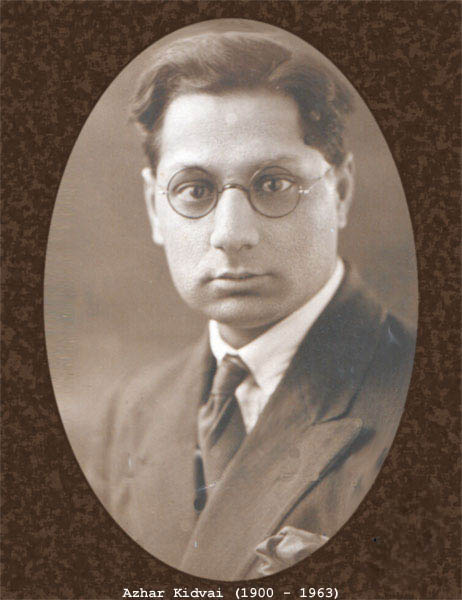
My father, Abi (or Azhar Kidvai), has a website now - and it is being added to every few days. It will have his entire collection, including all his verses in his own handwriting. There are some memories and some pictures, too.

Bye.

Labels: , , , , , , , , , , , , , ,

Wednesday, July 15, 2015

Take a look at another blog …

This blog will continue, of course.
But there is another blog I have started.

Visit it and see if you like the stuff there.

Thanks.

Labels: , , , , , ,

Friday, May 29, 2015

Sab


There is nothing I can say here ... 


Life is overshadowed by the death of Sabeen Mahmud,
a girl that I loved as my daughter.

•••••

Here are two of her friends, remembering her.

•••••

The first  piece is by Ziad Zafar
- a journalist in  BBC's Urdu Programmes -
who was/is a devoted friend of Sabeen.

BRAVEHEART 

They say they have caught someone, and he has confessed. That he killed her for this or that they still can't decide. Those who were keen to see the narrative of her murder discussed in terms of 'foreign hands' and 'sabotage' are now more than happy to embrace this explanation. The lone gunman, a crazed nut. Easy. No, better.

Maybe he was the man. Maybe he held the gun. But how many fingers were on that trigger? How many men sat around and decided she should die. In what room? What did it look like? How did we come here. 

I dont know who did it, and there are many explanations on offer, but I can't escape the feeling that Pakistan killed Sabeen Mahmud. A light so precious it had to be snuffed out by one or another mutant tentacle of a cannibal state that devours its best. Does it matter which one? The noblest among us was cut down and we could do nothing.

Sabeen took five hits to the chest, but those bullets went right through so many other hearts. Mine is broken too, but from time to time it swells with pride thinking about her courage. It was not the false courage of a politician or the self-aggrandising bluster of some meglomaniac. This was real courage. Quiet and strong. A heart so big, so brave, it is almost excruciating to describe. 

Sabeen was fond of Che Guvera's dictum that "the true revolutionary is guided by feelings of great love". If that is the pedigree than she herself was the greatest of all revolutionaries.  More than anything else, love was her moral compass and guiding force. Those who knew her know that everything she did was based on this impulse. An effort to 'tame the savageness of man and make gentle the life of this world.'

The last thing I said to her a few hours before she was shot was; "Beans I didn't think it was possible to love you any more than I do, and now you have gone and pulled this- You are my hero". I had congratulated my friend on doing something that is increasingly becoming the hardest thing in our country to do; Talk about the human rights catastrophe that is Balochistan; Pakistan's great invisible elephant sitting in the drawing room where even the most feisty subversives tread carefully. Whether or not her death was linked to Balochistan, (I think it was) this remains true.  

Inevitably, Sabeen has become a cause celebre for the rights struggle in Balochistan, and beyond.  In the last few weeks there has been a lot speculation about her politics, from disparate groups wanting to claim her. I and those close to her have received calls from all corners of the globe; feminists in San Francisco, Baloch students in Turbat, filmmakers in Berlin, poets from Northern Ireland, digital hackers from Toronto.  People wanting to know more about her, and what drove her. It wasn't complicated. It came down to just one thing. She knew that whatever else you do, you must never side with the great against the powerless. This was her politics. Sabeen was the kid in the playground who placed herself between the school yard bully and his victim and said “you'll have to go through me first”. And that is precisely why she held the Balochistan event. The risks were not abstract, they were very real. She did it anyway. 

Paradoxically it came at a time in her life when she had tried to take a back seat on the activism front, because as she would say "sometimes its all too much to bear". She had always led us from the front, but now she wanted to let others take the mantle. She needed some air, she told me. "Time to gaze at the stars". The last few weeks were the busiest of her life. She had been consumed in putting together an art installation called 'Dil Phaink' for the South Bank centre, (which is going ahead in London this week). She  was excited. She was happy. She was in love. 

Sabeen is a martyr now for so many, but she had no wish to die. She was not messianic. She wanted to live, she was about life. But more than this, she believed in an examined life, an authentic life- and she knew that in the course of this sometimes you have to put your own head on the block. And this is what I have learned from the life and death of my friend. Our lives are not fully lived if we are not prepared to die for those we love and what we believe. Her greatest gift to me has been this courage. I know that whenever I will feel faint hearted or my nerve will fail me, I will think of her and do better.

Among the stream eulogies for Sabeen there are those that continue to abuse her. Ugly trolls rear their heads from the darkest reaches of the internet with hateful words like 'Traitor' and 'Anti-Pakistan'. If reality could ever be turned on its head, it is this. Sabeen loved Pakistan intensely, in the way that one loves an errant child. With anger, frustration and tears. She bled for every single Pakistani who struggles for basic dignity, and trembled with anger at the thought of cruelty and injustice. She did this all without being zealous or didactic, always with humour and love. Heart on sleeve, but spine of steel. What a patriot should be.

I know that one day I will tell my children about Sabeen and the thought makes me uneasy. How will I sum her up in a few opaque sentences long after the memory has faded?

Will I say that she possessed an expansive sense of humanity which dictated every interaction she ever had with another human being? That she could sit across the aisle with anyone, engage anyone, and treat them with the same dignity, attention and curiosity as anyone else. Will I say that she was particularly fascinated with the intersection between the liberal arts, technology and counter-culture? That she was committed to the left but never doctrinal, liberal but steeped in tradition, that she was an international cosmopolitan with deep roots in her land, her city.

That she believed life had to be lived with verve and gusto, with wonder and curiosity, and had to be experienced through art and travel. That she was a hopeless romantic. That we spent so many evenings together verse in hand, meditating on the passing of time, and the frailty of love. 

That she loved Bruce Springsteen. That she had a child’s heart. 

Shall I speak of her integrity? Thinking about it now sends a shiver down my spine. There were times when she struggled very hard to keep T2F alive, periods when things became financially dire.  Through all this she was approached several times with gargantuan cash offers by certain international donor agencies that are keen to appropriate cultural spaces in Pakistan as part of a 'hearts and minds' campaign. I am witness to the fact that she turned down a 7 figure US dollar sum, without the slightest flinch. "They want my soul….Besides i will never be able to spend that much money!", she told me laughingly. She always had a keen sense of the absurd.  

It has been a whole month, but the tears still come. The strangest notion now  for many of us who were close to her now is the idea of 'getting on with life'. To go to sleep and wake up in a world without Sabeen. How bizarre. Is it possible to get used to this situation? A situation where Sabeen doesn't exist anymore. No, this is a non starter. How can anything go on now? Surely everything must stop and be reconsidered. The Universe must stop to acknowledge this. Surely, as Shakespeare has Ceaser say "the breaking of so great a thing should have caused a greater crack?".

Sabeen was not a politician, or a celebrity but when she died, the world did stop for her. Every single Facebook post, every single tweet, every major news organisation in the world carried her picture. This was the power of an ordinary life lived well.

I suppose it was comforting to know that the loss was not just ours. I am not sure. But I know that despite this, Sabeen who fought for justice for everyone else will not receive it herself. The darkness has not only won, it is unimpeachable and unafraid. 

Many of our phone calls and messages consisted of sharing little tidbits of poetry, a movie gem here a line from a novel there. One of the ones we swooned over recently was a line from Plutarch's account of Alexander's voyage. "Isn't it a lovely thing to live with great courage, and to die leaving an everlasting fame?"

Goodbye my braveheart. My sister, my friend, my pride, Goodbye. 

•••••

Here is Ziad with Sabeen at a T2F program that showed his film: Missing Persons 

Photo by Jamal Ashiqain

•••••

The second piece is by Attiya Dawood, a famous Sindhi and Urdu Poet,
as well as a leading Feminist Activist.


Her Notes on Facebook are quoted here.

صبین جیسی اب ہم لائیں کہاں سے؟ 

یہ ٹی ٹو ایف بننے سے بہت پہلے کی بات ہے جب ہم پاکستان سے باہر ایک سفر میں بھی ہم ساتھ رہے تھے۔نزہت اور زہیر قدوائی کی بیٹی راگنی بھی اس سفر میں ہمارے ساتھ تھیں۔ ہماری قریبی دوست نزہت اور زہیر قدوائی کی وجہ سے صبین سے بھی ملاقاتیں رہیں۔ ہوٹل ہو یا ائرپورٹ کی لابی، صبین کے سامنے لیپ ٹاپ کھلا ہوا ہوتا تھا اور وہ اپنے کام میں ہر پل مصروف دکھائی دیتی تھی۔ لیکن اس کے ساتھ وہ محفل سے بھی ایک پل غافل نہیں ہوتی تھی۔ وہ جس موضوع پر بھی گفتگو ہورہی ہوتی تو پوری سنجیدگی اور توجہ سے بحث میں حصہ بھی لیتی تھی۔ صبین کو میں نے پہلی ملاقات میں ہی ایسا پایا کہ وہ اختلاف رائے کو پورے حق سے استعمال کرتی تھی اور اس میں وہ سامنے والی کی حیثیت یا عمر نہیں بلکہ اس کا پوائنٹ آف ویو دیکھ کر اختلاف کرتی تھیں۔ لیکن اس اختلاف کو کبھی ذاتی دشمنی کا رخ نہیں دیتی تھیں۔ اور محفل میں جہا ں اس نے یہ دیکھا کہ اب بات بے ربط یا ادہر ادہر جارہی ہے تو اس کا پورا دھیان اپنے کام پر چلا جاتا تھا۔ وہ ہمیشہ سے وقت کی اور واعدے کی پابند رہیں۔ وومن ایکشن فورم کا سالانہ کنونشن تھا۔ جس میں لاہوراور اسلام آباد چیپٹر سے بھی وومن ایکشن کی میمبرز آئی ہوئی تھیں۔ غالبأ اس وقت حیدرآباد چیپٹر  - نہیں بنا تھا

یہ گیارہ سال پہلے کی بات ہے
 اور یہ میٹنگ نزہت قدوائی کے گھر میں ہی منعقد ہوٴی تھی

میٹنگ کے بعدنزہت نے ہمیں کہا کہ اب ہم ٹی ٹو ایف جائینگے۔   ہم نے پوچھا کہ وہ کیا ہے؟ ۔۔تو نزہت جو کہ دن بھر وومن ایکشن فورم کی میٹنگ میں بحث اور باتیں کرتے کرتے تھک چکی تھی۔ بولیں کہ ارے بھئی صبین نے ایک گوشہ بنایا ہے۔ زہیر بھی اس کے ساتھ ہیں۔ ہم نے پوچھا مگر وہاں ہوتا کیا ہے؟ نزہت مسکراتے ہوئے بولیں۔۔ جو شہر بھر میں کہیں نہیں ہوسکتا، وہ وہاں ہوگا۔ ہم تجسس سے سب سن رہے تھے۔ اور پھر ہم سب ایک گروپ کے صورت وہاں گئے۔ ابڑو بھی سونہاں اور سہائی کے ساتھ وہاں پہنچ چکے تھے۔ اس دن اس ادارے کا افتتاح ہورہا تھا۔اور یہ 2007 سال تھا۔۔اور مجھے ٹھیک سے یاد نہیں کہ کس آرٹسٹ کے ساتھ بات چیت بھی تھی۔ چھوٹا سا ہال تھا جو لوگوں سے کھچا کھچ بھرا ہوا تھا۔ جس میں نوجوانوں کی تعداد زیادہ تھی۔ اور پھر اس دن سے وہ ادارہ ہماری ذات کا لازمی جز بن گیا۔ ہم وومن ایکشن فورم کے یا ہیومن رائٹس کے پلیٹ فارم پر بھی اکثر یہ بحث کرتے ہیں کہ نوجوان ہمارے ساتھ کیوں نہیں اور ہمارے اس سوال کیوں؟ کا جواب ہمیں سبین کی جدوجہد سے مل گیا۔ جہاں پرانے اور سینئر ایکٹوسٹ کی پہنچ نہیں تھی وہاں صبین نے جھنڈا گاڑ دیا۔ یہ چھوٹا سا ادارہ جو بہت کامیابی سے چل رہا تھا اور ہم ذاتی طور پر جانتے تھے کہ کتنی مشکل سے یہ چل رہا ہے۔ کئی بار ایسے موڑ آئے جہاں صبین کو بھی نہیں پتا تھا کہ آگے کیا ہونا ہے۔ کئی بار ہم نے ایسے موڑ پر گھبرا کر سبین سے پوچھا  بھی تھا کہ اب کیا کروگی صبین؟ آنکھوں میں سینکڑوں اندیشے لیکن ایک ہی پل میں ہمت سے آنکھیں بھری ہوئیں اور ایک بھرپور مسکراہٹ سے کے ساتھ صبین کا جواب ہوتا تھا’کچھ نہ کچھ تو کرینگے‘۔

 یہ خوبصورت بیٹھک۔ جہاں بیٹھ کر لوگ سکون کی گھڑیاں گذارتے ہیں۔ بہت کم لوگ جانتے تھے کہ انہیں سکون کی یہ گھڑیاں دینے والی صبین اس ادارے کو قائم رکھنے کے لئے بہت بے سکون ہوجایا کرتی تھی۔ اور پھر جس عمارت میں یہ پہلے قائم ہوا تھا وہ کرایے کی جگہ تھی۔۔ جو کہ خالی کروائی گئی۔ وہ سیکنڈ فلور تھا جس کی وجہ سے اس کا نام بھی سیکنڈ فلور رکھا گیا تھا۔ ایک بار میں اس عمارت کے نیچھے کھڑی ہوکر صبین کو فون کرنے لگی کہ صبین میں عمارت کے پاس کھڑی ہوں مگر کون سے فلو ر پر ہے، تب صبین ہنس پڑی اور کہا کہ جب اس کا نام ہی سیکنڈفلور ہے تو ظاہر کہ سیکنڈ فلور پر ہوگا۔ یہ سن کر میں شرمندہ ہوگئی۔ اس کے بعد سیکنڈ فلور وہاں منتقل ہوگیا ۔۔جہاں اب تک وہ موجود ہے۔ صبین کی جدوجہد کو دیکھتے ہوئے ایک بھلے آدمی نے یہ موجودہ جگہ اس ادارے کو بطور تحفے میں دی تھی۔ اور اس پوری جگہ کا کرایہ وہ آدمی ماہانہ ایک روپیہ وصول کرتا تھا۔ اس شخص نے اپنا نام ہمیشہ راز میں رکھنا چاہا۔جگہ مل جانے کے بعد بھی اس جگہ کو آباد رکھنا۔ ایکٹویٹیز کرنا۔ ایونٹس کرنا۔ جہاں اتنی سارے ائرکنڈیشنر چل رہے ہوں اور اتنا سارا اسٹاف بھی موجود ہو۔ ریسٹورنٹ کا اسٹاف۔ صفائی کرنے والا اسٹاف۔۔ ایونٹس کا کام کرنے والا اسٹاف ان سب کی تنخواہیں۔ مقررہ وقت پر دینا بہت بڑی ذمیداری تھی۔  شہر میں کمرشل بنیاد پر بہت سارے پرسکون اور آرٹسٹک کافی ہاؤس اور کیفے، ریسٹورنٹ موجود ہیں۔ یا دیکھتے ہی دیکھتے کھل گئے ہیں۔ لیکن پھر بھی کیا وجہ تھی کہ شہر میں ٹی ٹو ایف جیسا کوئی نہیں تھا۔ اس لئے کہ صبین جیسا دل اور دماغ بھی کہیں اور نہیں تھا۔ صبین نے نوجوانوں پر ایسا کیا منتر پڑھ کر پھونک دیا تھا کہ یہ نسل جس کی دنیا فیس بوک ٹوئٹر اور سیل فون پر ایس ایم ایس تک ہی محدود ہے۔ ان کی جدوجہد بھی ان ہی ذرائع سے شروع ہوکر ان ہی پر ختم کیسے ختم ہوتی ہے۔ صبین جو خود بھی آئی ٹی سے تعلق رکھتی تھی۔ کیسے اس نے نوجوانوں کے ذہن تک رسائی حاصل کی۔۔

یہ ہمارے معاشرے میں ماضی کا قصہ ضرور ہے جب شہر میں ایسے کلبز اور ہوٹل موجود تھے جہاں آرٹ پنپتا تھا۔ آرٹ کی فیلڈ سے تعلق رکھنے والے یہاں ایک دوسرے سے ملتے تھے۔ ان کا ایک دوسرے سے رابطہ، صحتمند بحث آرٹ کے لئے دلوں میں اتساہ پیدا کرتی تھی۔ لیکن وہ وقت بیت چکا تھا اور بیتے ہوئے وقت کو واپس لانا ممکن نہیں تھا۔ اور پھر ایسا وقت کون واپس لاسکتا جس دور میں سڑکوں پر ٹریفک جام نہیں ہوتی تھی۔ ٹیلی ویزن بہت کم گھروں میں تھا۔ موبائل اور سمارٹ فون لیپ ٹاپ عام نہیں تھے۔ یا تھے ہی نہیں۔ اس دور میں محفلوں کا رواج تھا۔ دیہاتوں میں بھی شہروں میں بھی۔ مگر آج کے دؤر میں جہاں نوجوان نسل اپنے ہی گھر میں اپنے پیرنٹس اور بہن بھائیوں سے بھی فیس بوک پر یا ایس ایم ایس میں بات کرتے ہیں۔۔ انہیں ایک دوسرے سے ملا کر منظم طور پر ایک ساتھ جوڑنے کا خواب دیکھنا بھی ایک طرح ناممکن تھا۔  اس چھوٹے سے ادارے میں صبین نے کچھ ایسی پلاننگ کی کہ ہر عمر اور ہر سوچ کے لوگوں کو وہاں اپنے لئے دلچسپی نظر آنے لگی۔

 میری بیٹی سہائی جو کہ اپنے اندر بے پناہ ٹیلنٹ رکھتی ہے۔ اپنی بساط کے مطابق ابڑو اور میں نے والدین کی حیثیت سے جو کچھ اس کے لئے کرسکتے تھے وہ کیا۔ اس سے آگے ہمارا بس نہیں چلتا تھا۔ کیونکہ اس سے آگے کی دنیا ہمیں بھی نہیں معلوم تھی۔ ایسا ایک وقت آیا ہماری بیٹی پر، جب اصولوں کی خاطر اسے اپنے استاد سے بھی اختلاف کرنا پڑا۔ جب کہ اس کے احترام میں اس کا سر ہمیشہ جھکا رہے گا۔ تب سہائی بہت اکیلی پڑگئی۔ کیونکہ فن اس کی سانس کی طرح ہے۔ کوئی سانس لینا کیسے چھوڑسکتا ہے اور اس ڈپریشن کی حالت میں وہ ٹی ٹو ایف جاتی رہی۔ جہاں زہیر اور صبین تھے۔ دونوں نے سہائی کو بتایا کہ وقت کی گردش کبھی نہیں رکتی۔ سہائی وہاں جاکر بیٹھنے لگی۔ تو اس ادارے میں کچھ اور بھی اس کی ہم عمر اور ہم مزاج لوگ وہاں آتے تھے۔ ایک دوسرے سے واقفیت ہوئی۔ بات چیت ہوئی۔۔ اور سہائی کی ملاقات وہاں پر دانش سے ہوئی جو پیانو بجاتے تھے۔ اس کے پیانو پر سہائی نے رقص کیا۔ اور اس کے لئے صبین نے ان کو ریہرسل کے لئے اور پرفارمنس کے لئے جگہ دیدی۔ اس کے بعد رجب اور احسن باری بھی وہیں اسے ملے۔ جن کے ساتھ اس نے رقص کیا۔ وہاں پرفارمننس ہوئی جس میں بہت سارے لوگ شریک ہوئے۔ احسن باری کے ساتھ اس نے نرت تال گروپ بھی بنایا۔ سارہ حیدر جو کہ بہت خوبصورت آواز کی مالک ہے۔ سہائی اور اس نے مل کر فیض احمد فیض کی نظموں پرفارمنس دی۔ صرف سہائی کو ہی نہیں کئی نوجوانوں کو اس پلیٹ فارم سے اپنی شناخت بنانے کا موقعہ ملا۔ سہائی نے ا س ادارے میں کلاسیکل ڈانس بھی سکھائی اور یوگا کی کلاسز بھی لیں۔ میں نے ایک بار سہائی کے سامنے یہ ذکر کیا تھا کہ ہمارے بہت پیارے اور عظیم شاعر شیخ ایاز نے میری شاعری مجموعے کے دیباچے میں بھی یہ بات لکھی تھی۔ لیکن انہوں نے یہ بات مجھے کہی بھی تھی۔ شیخ ایاز نے کہا تھا کہً عطیہ تمہاری نظمیں اپنے موضوع کے حساب سے بہت طاقتور ہیں۔ لیکن کاش کہ یہ پابند شاعری ہوتی۔۔ اور ان میں ردم ہوتا تو پھر تمہاری شاعری پر موسیقار کام کرتے۔ وہ گائی جاتیں اور میری شاعری کی طرح سے تمہاری شاعری پربھی کلاسیکل رقص کیا جاسکتا۔ مگر افسوس ایسا نہیں ہوسکتاً۔ شیخ ایاز کے سامنے میری حیثیت تنکے جتنی بھی نہیں۔ مگر پھر بھی میں نے ان سے بہت اعتماد سے یہ کہا تھا کہ یہ میرا مسئلہ نہیں ہے۔ اگر میری شاعری میں اتنا دم ہے تو پھر اس کو موسیقار  گلوکار اور رقص کرنے  والے بھی مل جائینگے۔ کیونکہ نثری نظم کی طرح سے آرٹ کے ہر شعبے میں بھی جدت آنی ہوگی۔ اور وہ آئے گی۔ً اور پھر سہائی ابڑو نے یہ بات سچ کردکھائی۔۔ وہ میری نظموں پر رقص کرنا چاہتی تھیں۔ فیمنسٹ سوچ کو ٹربیوٹ پیش کرنا چاہتی تھیں۔ مگر اس کے لئے اس کو ٹیم کی تلاش تھی۔ اس کے پاس سوائے اپنے فن اور جذبے کے باقی کچھ نہیں تھا۔۔سہائی کو ٹی ٹو ایف میں ہی اپنے ہم خیال ساتھی ملے۔ سہائی نے ان سے اپنی خواہش کا اظہار میری دوست نزہت قدوائی سے کیا اور یہ بھی کہا کہ یہ بات ممی سے چھپانی ہے اور نزہت نے اس کو ہمت دلائی۔کہ اگر تم دل میں ٹھان لوگی تو پھر سب ممکن ہوجائے گا۔ شاعری کے چناؤ میں نزہت نے ان کی مدد کی ۔ اور پھر سہائی کی جدوجہد مختلف سمتوں میں شروع ہوگئی۔ احسن باری جو کہ ناپا کے گریجوئٹ ہیں۔ اور اس وقت تک موسیقی کمپوز کرنے میں اپنا نام بھی پیدا کرچکے تھے۔ سہائی نے اس کو اپنی خواہش سنائی اور کہا کہ میرے پاس دینے کے پیسے نہیں ہیں۔۔ احسن راضی ہوگیا ہے۔ اس کے بعد سارہ حیدر نے اپنی خوبصورت آواز کے ساتھ اس گروپ میں(جدوجہد ) میں شامل ہوئی۔ احسن کی پوری ٹیم تھی۔ ٹی وی اور تھیئٹر کی مشہور اداکارہ ایمن طارق نے میری شاعری کو تحت اللفظ میں پڑھا۔۔ سارہ حیدر اور احسن طارق نے الاپ دئیے اور اس گروپ میں ایک نوجوان لڑکی سارہ نثار بھی شامل تھی۔ سارہ کا تعلق ایسی فیملی سے ہے جس میں اچھے اداروں میں تعلیم حاصل کرنے کا مقصد اچھے رشتے کا حصول سے زیادہ کچھ نہیں ہوتا۔ لیکن سارہ نثار سے بھی اس تمام گروپ کی ملاقات ٹی ٹو ایف میں ہی ہوئی۔ سارہ نثار نے میری شاعری پر ہونے والے پروگرام کو پرڈیوس کیا تھا۔جو کچھ بھی اسٹیج پر چاہیے تھا وہ سب مہیا کرنا سارہ نثار کا کام تھا۔ سہائی ابڑو نے رقص کیا اور تمام کوریو گرافی بھی سہائی نے خود کی اور اسے ’اڑان سے پہلے ‘ کے نام سے پیش کیا۔ یہ ایک گھنٹے کا پروگرام تھا۔۔ جس کی زیادہ تر ریہرسل ٹی ٹو ایف میں اور کبھی ہمارے گھر پر بھی ہوتی رہیں۔ مگر مجھ سے ہر چیز کو خفیہ رکھا گیا تاکہ سرپرائز قائم رہے۔ جب میں پہلی بار ٹی ٹو ایف میں یہ پروگرام دیکھ رہی تھی۔ تو خوشی سے زیادہ مجھے حیرت ہورہی تھی۔ میری ایک نظم کی لائن تھی، شعور کے درخت سے سوچ کا پھل تم بھی کھالو۔ سارہ نثار کہیں سے ایک اچھا خاصا پیڑ بھی اٹھا لائی تھی۔ پروگرام سے میں کچھ دیر پہلے ہی پہنچی تھی اور میں نے سارہ سے پوچھا یہ کون اٹھا لایا ہے تو سارہ نے بتا یا کہ بہت ساری پودوں کی نرسریز میں تلاش کرنے کے بعد اسے کہیں سے یہ مل ہی گیا۔ اور وہ اس کو رکشا میں اٹھا کر لائی ہے۔ ان نوجوانوں کا جوش جذبہ اور طاقت میری ہمت بڑھارہے تھے۔  یہ نوجوان یہاں مختلف قسم کے پروگرام کیا کرتے تھے۔ کبھی گٹار پر کبھی پیانو تو کبھی مشرقی ساز کبھی مغربی ساز۔ کبھی قوالی۔ کبھی کلاسیکل ڈانس تو کبھی کنٹیمپریری ڈانس  ہر طرح سے ان کے پروگرام تخلیق سے بھرپور ہوا کرتے تھے۔ صبین کا ساتھ ان کے ساتھ غیر مشروط ہوتا تھا۔ اگر وہ اس ہال کی فیس دے سکتے تھے تو دیتے تھے نہیں دے سکتے تھے تو نہیں دیتے تھے۔ ایسے میں ٹی ٹو ایف کے ساتھ چندے کے لئے ایک بکسہ رکھتے تھے۔۔ اور قریبی ساتھیوں سے کہا جاتا تھا کہ اگر آپ لوگ چاہتے ہیں کہ یہ ادارہ چلتا رہے تو اس میں اپنی مرضی کے مطابق کچھ بھی ڈال دیجئے۔ صبین نے نوجوانوں کو اپنی مدد آپ کرنا سکھایا۔غربت اور کنگالی کے دؤر میں بھی اپنے فن کو زندہ رکھنا سکھایا۔ یہاں ایک ریسٹورنٹ بھی ہے ۔جہاں جس کی مرضی چائے کافی پیے یا نہیں پئے ایسے ہی گھنٹوں بیٹھا رہے۔ دوستوں سے گپیں مارتا رہے۔ نوجوان نسل کی ملاقاتیں جو پہلے شناسائی اور پھر دوستی میں تبدیل ہوئیں ان کا آغاز اکثر یہیں سے ہوا۔ میں نے بھی اکثر وہاں کا رخ تب تب کیا جب مجھ پر تخلیق کے دروازے عارضی دور پر بند ہوتے ہوئے محسوس ہوئے۔۔ ایسا ہر تخلق کار کی زندگی میں کبھی نہ کبھی وقت آتا ہے کہ اس سے کچھ لکھا نہیں جاتا۔ سوچا نہیں جاتا۔ جب مجھ پر بھی ایسا وقت آیا تھا تو میری دونوں بیٹیوں نے کہا کہ آپ اپنا لیپ ٹاپ اٹھائیں اور ٹی ٹو ایف چلی جائیں۔ اور پھر میں نے ایسا ہی کیا۔ ٹی ٹو ایف کا ایک ان لکھا ان کہا دستور بھی ہے۔۔ وہاں اگر آپ اکیلے بیٹھ کر کچھ سوچ رہے ہوں لکھ رہے ہوں۔ تو ہر طرف شناسا لوگ موجود ہوتے ہوئے بھی کوئی بھی آپ کے کام میں مداخلت نہیں کرتا۔ جب تک آپ خود آنکھ اٹھا کر کسی کی طرف نہ دیکھیں یا بات کرنے کی رضامندی نہ دکھائیں کوئی بھی آپ کے کام میں مداخلت نہیں کرتا۔ 

ہماری بڑی بیٹی سونہاں جس کو مطالعے کا جنون کی حد تک شوق ہے۔ جس کی وجہ سے وہ اتنی ذہنی طور پر میچوئر ہوگئی کہ اس کو دوست بنانے میں مشکل ہوتی تھی۔ اسے  اپنے کلاس فیلوز کے ساتھ کمرشل ریسٹورنٹ میں بیٹھ کر گپیں لڑانے میں کوئی دلچسپی نہیں تھی۔ اس کے لئے بھی ٹی ٹو ایف ایسی پنا ہ تھا جہاں اس کو ذہنی سکون ملتا تھا۔ اس نے بھی اس ادارے میں اپنے دوست بنائے۔ جب وہ انگلنڈ میں پڑھا کرتی تھی اور چھٹیوں میں یہاں آتی تھی تو اس نے ٹی ٹو ایف میں انٹرن شپ کی۔ اور ان کی ریسٹورنٹ میں ویٹریس (بیرے) کی جاب کی۔۔ یہ صبین ہی تھی جو کہ نوجوانوں کو عملی جدوجہد سے جوڑے رکھا کہ بے کار ٹائیم ضایع کرنے کے بجائے کچھ نہ کچھ عملی طور پر کرو۔ اور پھر یہ صبین کی ہی مورلٹیز تھیں کہ میں نے ایک بار سونہا ں سے کہا کہ مجھے ان کے سینڈوچز کی ترکیب تو بتاؤ۔ سونہاں نے صاف انکار کرتے ہوئے کہا کہ یہ غیر اخلاقی بات ہے۔ یہ ریسٹورنٹ کے راز ہوتے ہیں جو میں بتا نہیں سکتی۔ مگر بنا کر کھلاسکتی ہوں۔ سونہاں کو بھی اس پلیٹ فارم پر اپنے جیسا ہی ایک پڑھاکو کتابوں کا کیڑہ ٹائپ دوست اسد علوی ملا اور پھر اس انہوں نے اپنے دوستوں کے ساتھ مل کر ٹی ٹو ایف میں پروگرام بھی ترتیب دئیے۔ حال ہی میں سعادت حسن منٹو پر بھی سونہاں اور اسد نے اپنی تنظیم کی طرف سے پروگرام کیا تھا۔ ٹی ٹو ایف کے شروعاتی دؤر میں ایک نشست ابڑو اور میرے ساتھ اکٹھی رکھی گئی تھی۔  مجھے شاعری پڑھنی تھی اور ساتھ میں ابڑو کی تصویروں کی نمائش بھی رکھی گئی تھی۔ میرے ساتھ کئی بار یہ شاعری کی نشست رکھی گئیں اور میں نے اپنی شاعری سنائی۔۔ اور سینکڑوں ایسی محفلوں میں شرکت کی جو ہمارے ہم خیال دوستوں کے ساتھ کی گئیں ۔اور یہاں ہمارے نئے دوست بھی بنے۔ اور اپنے پرانے دوستوں سے بھی ہر بار یہیں ملاقات ہوتی رہی۔

صبین کے لئے ایک سندھی اخبار میں لکھا گیا کہ وہ اپر کلاس سے تعلق رکھتی تھی۔ ڈفینس میں رہنے والا ہر آدمی اپر کلاس کا نہیں ہوا کرتا۔ صبین کی ماں مہناز بنیادی طور پر استاد ہیں اور ٹیچر ریسورس سینٹر میں جاب کرتی ہیں۔ وہ اپنی فیلڈمیں بہت کمیٹڈ سرگرم اور ماہر ہیں۔۔صبین اتنی باہمت کیسے ہوسکتی ہے؟ جن کے دماغ میں ایسا سوال ہے۔ اگر وہ مہناز عرف می می سے ملے گا تو جواب مل جائے گا کہ صبین ایسی کیسے ہوسکتی ہے۔ می می نہایت باہمت باشعور اور پرجوش انسان ہیں۔ گوکہ ان کی دنیا صرف صبین تھیں۔ اس کی زندگی کا واحد سرمایہ تھی صبین۔ لیکن اسے کھودینے کے بعد بھی ایسی حوصلہ مند انسان میں نے پہلی بار دیکھی جو کہ خود بھی گولی لگنے سے زخمی ہیں۔ جو اس کی میت پر ہمیں ہمت دلاسا دے رہی تھیں۔ ہمیں تسلی دے رہی تھیں۔۔

 صبین کو جس جرم میں ماردیا گیا۔ وہ تھا بلوچوں پر ظلم کی داستان پر ان کا ساتھ دیتے ہوئے اپنے ادارے میں پروگرام کرنا۔ ماما قدیر جن کے ساتھ لمس جیسے ادارے کو بھی پروگرام کرنے کی ہمت نہیں ہوئی۔ صبین کو بھی دھمکیا ں ملیں لیکن صبین نے کبھی ظلم کے آگے جھکنا نہیں سیکھا تھا۔ اس لئے وہ پیچھے نہیں ہٹیں۔ اور مجھے ٹی ٹو ایف کے افتتاح کا وہ پہلا دن یاد آگیا ۔۔جب ہماری دوست نزہت قدوائی نے ہمارے اس سوال پر کہ یہاں ہوگا کیا؟ نزہت نے کہا کہ جو شہر میں کہیں نہیں ہوسکتا وہ یہاں ہوگا۔ صبین زہیر قدوائی کی کلیگ اور دوست تھی مگر نزہت کے لئے وہ اپنی بیٹی کی طرح سے تھی۔ اس لئے نزہت نے اس کے بارے میں صحیح اندازہ لگایا تھا۔ صبین کو گولی مارنے والوں کو کیا خبر کہ یہ گولی کتنے سینے چھلنی کر گئیں ہیں۔ 

صبین جیسی اب ہم لائیں کہاں سے؟

عطیہ داؤد

•••••

REMEMBERED FOREVER


Came into our world: 20th June 1975
Shot for her belief in love: 24th April 2015

Labels: , , , , , , , , , , , , ,